A working log on running AI agent teams under written rules. Pieces from my LinkedIn series appear here once they are posted. Below them are five dated notes from August and September 2026.
On this page
The series
I am writing a series on LinkedIn about AI agents with real access to my own records, with the failures, the controls and the costs written down.
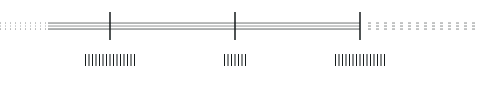
Went wrongControlCostCheckWent wrongControlCostCheck
Each piece in my LinkedIn series names one thing that went wrong, one control, one cost and one check you can run on your own setup.
Posted pieces
No piece is posted yet.
A piece appears here only after I have posted it on LinkedIn.
Short dated notes on how the work was done, written before the series: what happened, what did not work, and what was still open. Each rests on a written record.
I built the work and I report on it, so read them as a self-assessment.
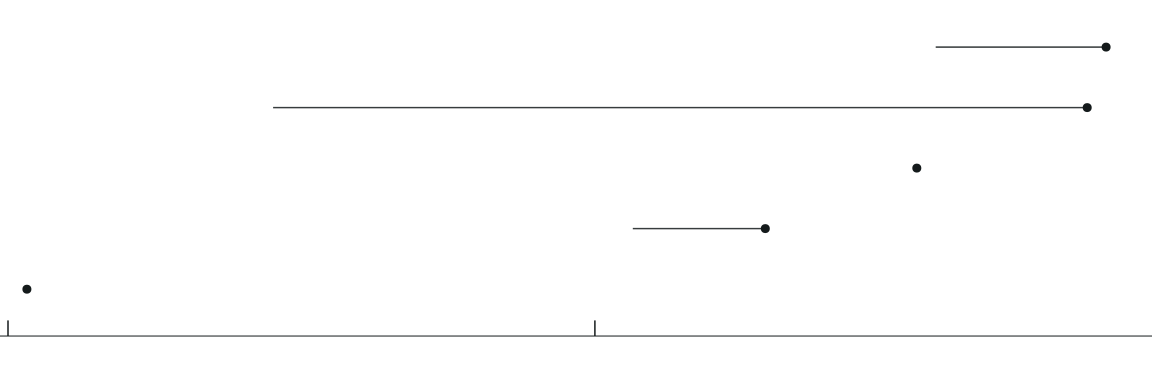
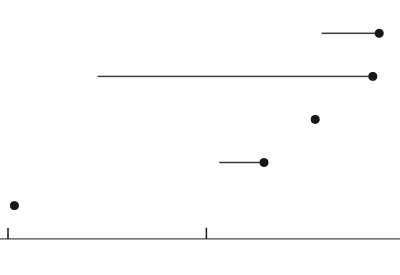
AugustSeptember19 to 28 September 202615 August to 27 September 202618 September 20263 to 10 September 20262 August 2026AugustSeptember19 to 28 September 202615 August to 27 September 202618 September 20263 to 10 September 20262 August 2026
On 19 September one project set a rule: nothing is committed until a maximum-effort code review has run and its findings are fixed. A day earlier a high-effort review had found 12 faults, all real, all fixed that day. On 19 September three maximum-effort reviews ran in turn. The first found 15 bugs, the second found 7 in the fixes, and the third found 15 faults in the fixes from the first two.
15715
On 25 September a second project ruled that each review finding closes in one of three ways: fixed, with a test that fails before and passes after; no change needed, with the line that proves it; or skipped, with the reason. In its fix round of 28 September, all 15 findings had such tests. A finding is not a fix, though. That day the product crashed in use, and the hang that followed matched a finding whose fix was not yet installed. The cause of the crash stayed unknown. Still open at the time: the lesser findings from the first maximum-effort review, two of them rated medium.
A name and trademark screen found no conflict in the class searched, but only at low confidence, because the national trademark register sat behind an account sign-up and the international brand database served a CAPTCHA. Neither was bypassed, and the low confidence was recorded.
Recorded
On 15 August an attempt to recreate 31 project instructions in the Claude desktop app by automation created none, because no available session can drive the app it runs in. The session built a paste pack instead: all 31 files, 317,883 characters, each matched to its source by checksum. On 29 August a session could not reach its publishing target for the fifth time in a row. It checked the build offline, worked out what would change (2 files added, 19 updated, none deleted) and wrote a handover. That publishing route was retired on 13 September.
The test for choosing a local image model was written before any image existed: five prompts, three models, the same settings for each, fifteen images shuffled under letters and the key sealed. Claude's scores were fixed on disk before the key was opened, and I ranked the images blind. The two were combined 60 to 40, a weighting set in advance.
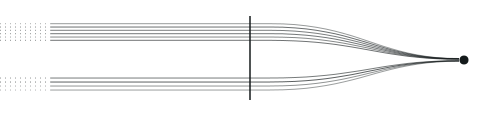
6040Scores locked first
Claude made the images and could in principle have read the key, so the safeguard is that neither judge could tune to the answer, not that contamination was impossible. The winner scored 4.06 against 3.43 and 3.12, and the two judges picked the same best image on four prompts of five. Still images now go to a local model. Still open at the time: the results file held a field that would unblind a judge who opened it mid-scoring, logged as a minor defect and not yet fixed.
On 3 September I asked Claude to assess a summary of a new local-model release. It opened by saying the summary looked fabricated, then found the release was real and withdrew that verdict, and withdrew a second one on a mechanism that turned out to exist. Three headline benchmark figures with no source still stood as unsupported, and a "top three globally" claim was wrong: the real ranking was eleventh.
597
On 5 September a video of rules for prompting the newest Claude models was checked against Anthropic's own guides before I changed my prompting rules. It was about 70 per cent right: five of seven rules traced, two attributions not verified, one rule true of one model only. On 10 September three videos on local AI went through a fact-check of 59 claims. Seven were rated high severity, and onward use of those claims stopped. Figures with no published source were graded unsupported, not estimated. Still open at the time: the report's header and its table disagreed on the counts of lesser findings.
On 2 August a design review ran as two separate agents that met only at the end: one judged rendered screenshots, the other ran an automated checker and a browser. Three rounds on a product of mine, the Ergonomic Configurator, took its score from 33 to 35 to 36 out of 40, and its most serious issues from two to none. Every finding was checked live in a browser before it was trusted, and one from the third round was recorded as investigated and not confirmed.
333536
That evening showed the limit. The browser tool's resize never changed the real window, so every mobile claim in those three rounds rested on reading the style sheet, not on seeing the page. Re-run at real phone widths, the navigation needed 364 pixels where a 360-pixel phone gives 320, and the first fix cut off the last letter while every width check passed.